
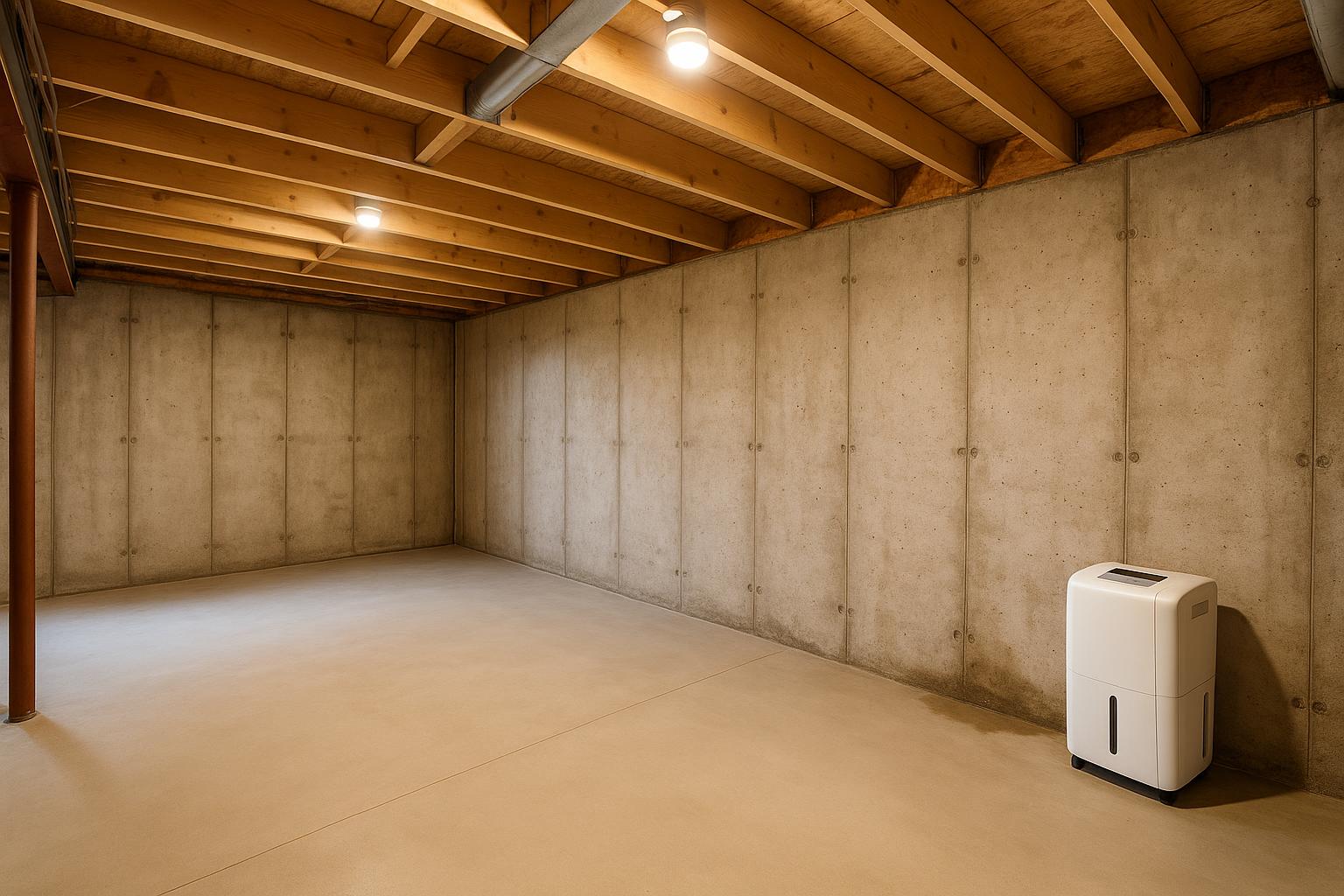
The Question Every Basement Remodel Starts With
You've been dreaming about turning that underused basement into a home theater, guest suite, or home office. But then you notice it — a faint musty smell, a damp patch on the wall, or condensation on the concrete floor. Suddenly, the excitement stalls and one question takes over: Can I even remodel this basement?
It's one of the most common concerns we hear from homeowners across Chula Vista, and it's a smart one to ask. Moisture is the single biggest threat to a basement remodel's longevity. The good news? In most cases, dampness doesn't mean your project is dead in the water. It just means you need to handle it properly before the real work begins.
Why Moisture Matters More Than You Think
A little dampness might not seem like a big deal, but once you seal it behind drywall, flooring, and insulation, it becomes a serious problem. Here's what unchecked moisture can lead to:
- Mold and mildew growth — which can spread behind walls where you can't see it, creating health risks for your family
- Warped or buckled flooring — especially with hardwood or laminate installations
- Deteriorating drywall — leading to stains, crumbling, and costly tear-outs
- Musty odors — that no amount of air freshener will fix
- Structural damage over time — including weakened framing and rusted fasteners
Addressing moisture before your remodel isn't an optional upgrade. It's the foundation (literally) of a project that holds up for the long haul.
Common Sources of Basement Moisture in Chula Vista
Even though Chula Vista enjoys a mild, semi-arid climate, basements here aren't immune to moisture issues. In fact, some of the most common culprits catch homeowners off guard because they're not related to heavy rainfall at all.
Condensation
When warm, humid air meets the cooler surfaces of your basement walls and floor, condensation forms. This is especially common during the late summer months when coastal moisture rolls in from the bay. It can look and feel like a leak, but it's actually an air quality issue.
Poor Exterior Drainage
If the grading around your home slopes toward the foundation instead of away from it, rainwater — even from our lighter San Diego County storms — can pool against basement walls and seep through cracks. Clogged or improperly routed gutters and downspouts make this worse.
Hydrostatic Pressure
Water in the soil surrounding your foundation exerts pressure against basement walls and floors. Over time, this pressure can push moisture through even hairline cracks in the concrete. Homes in neighborhoods like Eastlake and Otay Ranch that were built on graded lots can experience this if drainage wasn't properly engineered.
Plumbing Leaks
Sometimes the moisture source isn't coming from outside at all. A slow leak from a pipe running through or near the basement can mimic groundwater intrusion. This is worth investigating before assuming the worst.
How to Test for Basement Moisture
Before you call a contractor, you can do a simple DIY test to get a sense of what you're dealing with.
- Cut a piece of plastic sheeting (about 16 by 16 inches) and tape it securely to the basement floor or wall with all edges sealed.
- Leave it in place for 24 to 48 hours.
- Check underneath. If moisture has collected between the plastic and the surface, water is coming through the concrete from outside. If moisture is on top of the plastic, you're dealing with condensation from indoor air.
This test won't tell you everything, but it helps you — and your remodeling team — understand the type of moisture problem before deciding on a solution.
Solutions That Set Your Remodel Up for Success
Once you know what's causing the dampness, there are proven ways to fix it. Here are the most common approaches we recommend to homeowners in Chula Vista and surrounding areas like Bonita and National City.
Interior Waterproofing
This includes applying waterproof coatings or membranes to interior basement walls and floors. It's effective for minor seepage and condensation issues. Pairing this with a quality vapor barrier before installing drywall and flooring adds another layer of protection.
Exterior Waterproofing and Drainage Correction
For more significant water intrusion, the fix often starts outside. Regrading the soil around your foundation, extending downspouts, and installing or repairing French drains can redirect water before it ever reaches your basement walls. This is a bigger investment upfront, but it solves the problem at its source.
Dehumidification
If condensation is your main issue, a properly sized dehumidifier — ideally a whole-basement unit tied into your HVAC system — can keep humidity levels in the safe zone year-round. This is a straightforward addition that we can plan for during the remodel design phase.
Crack Repair and Sealing
Hairline cracks in poured concrete walls or floors are normal as a house settles, but they're also entry points for moisture. Epoxy or polyurethane injection can seal these cracks permanently and is a standard step in any responsible basement remodeling project.
Sump Pump Installation
In basements where water actively collects, a sump pump provides reliable protection. It collects water from a basin below the floor and pumps it away from the foundation. While not every Chula Vista home needs one, it's a worthwhile safeguard for basements with a history of water intrusion.
What This Means for Your Remodeling Budget
Let's be honest — moisture remediation adds cost to a project. But here's the perspective that matters: fixing a moisture problem before you remodel costs a fraction of what it costs to tear out a finished basement and start over after mold or water damage appears six months later.
When we scope a basement remodeling project, we always assess moisture conditions first. If remediation is needed, we build it into the project plan and budget transparently so there are no surprises down the road. That's just how we operate.
Choosing the Right Materials for a Dry, Lasting Finish
Beyond waterproofing, material selection plays a huge role in how well your finished basement holds up. Here are a few choices that perform well in below-grade spaces:
- Luxury vinyl plank (LVP) flooring — waterproof, durable, and available in styles that look like real hardwood
- Moisture-resistant drywall — sometimes called green board or purple board, designed specifically for high-humidity areas
- Closed-cell spray foam insulation — acts as both insulation and a vapor barrier in one application
- Mold-resistant paint — an extra precaution for walls and ceilings in any below-grade space
These materials cost slightly more than their standard counterparts, but the difference in longevity and peace of mind is well worth it.
Don't Let Dampness Derail Your Plans
A damp basement doesn't have to stay an unused, forgotten space. With the right preparation, waterproofing, and material choices, it can become one of the most valuable rooms in your home. Whether you're in Imperial Beach, Otay Ranch, or right in the heart of Chula Vista, the key is addressing moisture honestly and thoroughly before the first piece of drywall goes up.
At Red Rock Basement, we've built our reputation on doing things the right way from the start. If you're considering a basement remodel and aren't sure whether moisture is a concern, we're happy to take a look and give you a straight answer — no pressure, no runaround. That's the Red Rock way.